



My love for sauce runs deep and they are a staple for us at mealtime. You might be thinking – peanut butter in a sauce? It might sound strange, but I promise you this peanut sauce will not disappoint! It’s sweet and savory with a touch of spice.
It totally reminds me of something you would get at a Thai restaurant. You can toss it with noodles (my favorite way) or a stir-fry, use it in peanut butter chicken, as a dipping sauce for veggies, or just on top of some grilled meats to up the flavor. However you serve it, you can’t go wrong!
Never Miss a Recipe!
Get new recipes like this delivered to your inbox.

I do believe sauces (and spices) are key when cooking. They can easily change up the flavors of any old meal to keep it interesting and exciting. I made this on a whim one night for dinner with a few pantry staples and it was so good, I knew I had to share it!
Why we love this peanut sauce recipe
- so flavorful – the perfect combo of a little sweet, savory, and spicy
- super easy to make! – simply stir or blend together the ingredients
- can be made ahead of time and is great for meal prep
- calls for only 6 simple ingredients
- super versatile

Is peanut butter sauce good for you?
Peanut sauce can be a healthy addition to any diet. Since it is made from peanut butter, it naturally has some protein. Look for ones with not a lot of sodium or added sugar. Better yet, when making it at home, you have full control over the quality of the ingredients. That being said, peanut butter is a calorie-dense food, so if monitoring your calorie intake, be mindful of how much you use.
Ingredients
- creamy peanut butter – look for peanut butter with just cashews and salt. It needs to be creamy!
- coconut aminos – a gluten-free alternative to soy sauce that is less salty and sweeter
- lime juice – for some acid and to balance out the richness of the peanut butter
- fresh garlic
- fresh ginger
- red pepper flakes – for a little spice
- salt and pepper

How to make peanut sauce
- Make the sauce. Add all ingredients to a glass jar. Whisk or use an immersion blender (my personal preference) until smooth. You can also blend it in your blender or food processor. Blending will get the sauce a little more smooth. Adjust according to taste and desired consistency.
- Enjoy! Serve over noodles, with chicken or veggies, or however you like!


What is the difference between satay and peanut sauce?
Satay sauce and peanut sauce are similar in flavor and ingredients but are different. Satay sauce, which originated in Indonesia, uses ground or fried peanuts and is commonly used for grilled skewered meat (called satay). Peanut sauce, which is the term commonly used in the United States and associated with Thai cuisine, is a modified traditional satay sauce using peanut butter.
How to use thai peanut sauce
The beauty of this sauce is it’s so versatile. Here are some of my favorite ways to use it:
- on top of any meat – chicken, turkey, or pork
- seafood – would be great with salmon or shrimp
- over pasta/noodles – my favorite way to use it! It’s perfect with any kind of pasta, and I love adding some protein and vegetables mixed in for a complete dish. A nice change-up from your typical red sauce. Try these shrimp noodles!
- as a stir fry sauce – try this peanut chicken stir fry!
- as a salad dressing for a salad or grain/power bowl – I suggest thinning out the sauce a little (you can just use a little water) if using it as a dressing.
- drizzled over top lettuce wraps
- as a dip – perfect for veggies or spring rolls

Storage
- fridge/counter – the sauce should last 1-2 weeks in the fridge or on the counter. If stored in the refrigerator, it will thicken as the peanut butter hardens.
- freezer – you can either freeze it in a glass jar (leaving a little room a the top for it to expand) or ice cube molds or silicone molds for smaller serving sizes. If using molds, let them freeze and then transfer them to a reusable bag for storage. Then just defrost when needed. Once defrosted, you will need to mix up the sauce as freezing might cause some separation. It should last in the freezer for up to 3 months.
Substitutions and additions
- creamy peanut butter – any nut butter or seed butter will work (almond butter, cashew butter, tahini…), but it will change the flavor some. Tahini will work well as a nut-free option.
- coconut aminos – low sodium soy sauce or tamari will work instead, it will just change the flavor a bit. Using either one of those will lower the carbs in the recipe. If using soy sauce, the recipe will not be gluten-free. Do not use liquid aminos as they are way too salty.
- lime juice
- fresh garlic and ginger – you can use garlic powder or ground ginger instead. Use 1 teaspoon of each.
And here are some additions to change up the flavor:
- sweetener – add a little honey or maple syrup to make it a little sweeter
- sriracha or chili garlic sauce (sambal oelek) – this will add even more spice
- sesame oil – to add more nutty flavor
- fish sauce – this will add a nice umami flavor
More healthy sauce recipes
- creamy lemon garlic sauce
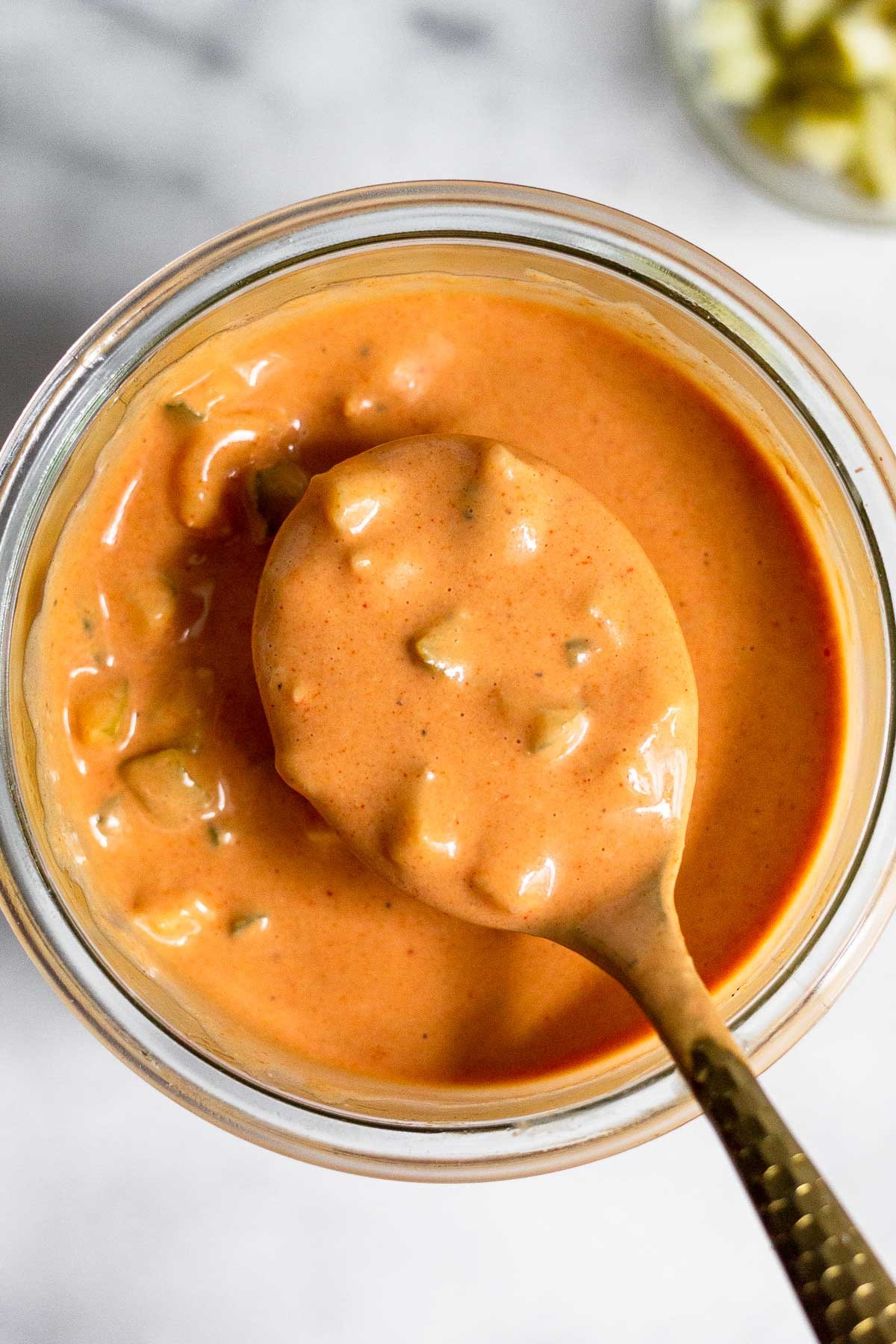
- burger sauce
- spicy red pepper sauce
- buffalo sauce
- enchilada sauce
- homemade tzatziki sauce
If you love quick and easy meals and want to learn how to build a balanced plate, check out our FREE How to Build a Balanced Plate Guide!


Peanut Sauce
equipment
ingredients
- 1/2 cup peanut butter
- 1/2 cup coconut aminos
- 1/4 cup lime juice
- 4 cloves garlic, minced
- 1 tablespoon minced ginger
- 1/2 teaspoon red pepper flakes
- salt and pepper, to taste
instructions
- Make the sauce. Add all ingredients to a glass jar. Whisk or use an immersion blender (my personal preference) until smooth. You can also blend it in your blender or food processor. Blending will get the sauce a little more smooth. Adjust according to taste and desired consistency.
- Enjoy! Serve over noodles, with chicken or veggies, or however you like!
Last Step! Please leave a review and rating letting us know how you liked this recipe! This helps our business thrive so we can continue providing free recipes and high-quality content for you.
nutrition

Get My Guide On
How to Build a Balanced Plate
No recipe, no problem! Learn the key factors to build a balanced plate for sustainable eating and to fuel your body to support your activity, goals, and lifestyle.


I really want to try this recipe. What peanut butter do you recommend?
Hi, Johnny! I always recommend an all natural peanut butter with the only ingredients of peanuts and salt. You can find it at most groceries stores.
This sauce is the BEST! I add a little stevia to sweeten slightly and chef’s kiss, its amazing!
Glad you enjoyed it, Beccah! Thanks for trying it!
I have made a LOT of peanut sauces but this is BY THE FAR the best one!! Just perfect!!
So glad you enjoyed it, Sara! Thanks for trying it!
Totally have all these ingredients – looks so good, can’t wait to try!
I hope you enjoy it!!